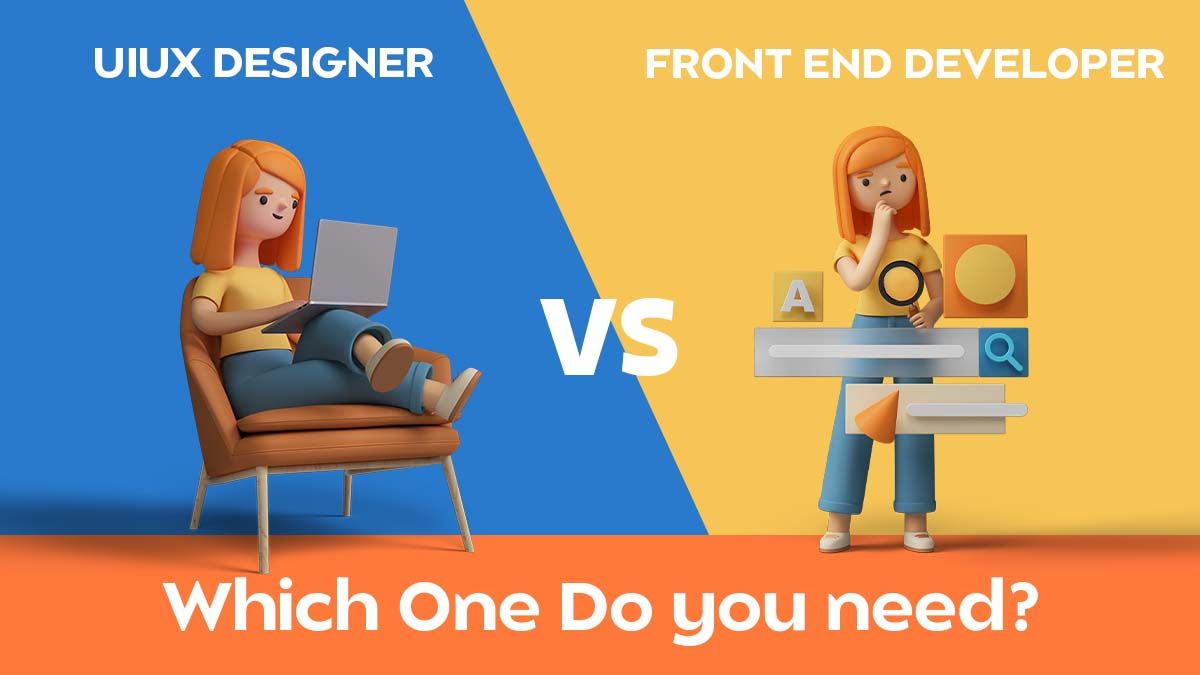
Are you torn between choosing a UI/UX Designer or a Front End Developer? Do you find yourself constantly debating the pros and cons of each, like a never-ending episode? Fear not, my indecisive friend!
We’ve got you covered.
In this blog post, we’ll take a look at the key differences between UI/UX Designers and Front End Developers.
We’ll explore what each role entails, what skills you need to succeed, and what kinds of projects you can expect to work on.
By the end, you’ll better understand which path to pursue or which one to choose for your project.
So please grab a cup of coffee (or a can of Red Bull, we won’t judge), sit back, and let’s dive into the world of UI/UX Designers and Front End Developers.
Difference Between the Roles of UI/UX Designer and Front-end Developer
UI/UX designers and front-end developers work hand-in-hand to create a seamless and user-friendly website or application. However, while they share some similar tasks, there are several differences in their roles and responsibilities.
UI/UX Designer
- A UI/UX designer primarily creates visually appealing, user-friendly websites, applications, and software designs.
- They have extensive knowledge and expertise in user interface (UI) design, user experience (UX) design, and human-computer interaction (HCI).
- They work with product managers, business analysts, and other stakeholders to gather requirements and create wireframes, mock-ups, and prototypes of the user interface (UI).
- They conduct user research, test usability, and analyze user feedback to improve the overall design and user experience.
- They create design systems, style guides, and design assets to ensure consistency and maintainability of the UI design.
- They use design tools such as Figma, Sketch, and Framer to create and communicate designs and collaborate with other team members.

Are you curious about why your customers are unhappy?
Talk to an UX expert!
Front-end Developer
- A front-end developer implements the UI designs and creates interactive and dynamic applications.
- They have expertise in HTML, CSS, JavaScript, and other front-end technologies, frameworks, and libraries such as React, Angular, and Vue.js.
- They work closely with UI/UX designers to understand and implement their web or mobile application design concepts.
- They ensure the code they write is maintainable, scalable, and optimized for performance and usability.
- They keep up-to-date with the latest technology trends and best practices in front-end development.
- They use various development tools such as code editors and version control systems and build tools to streamline their workflow and collaborate with other team members.
UI/UX Designing In Website Development
A UI/UX designer is responsible for creating a website that looks and works great while providing an enjoyable user experience.
They create wireframes and prototypes to validate designs and meet user requirements.
They use design tools such as Adobe Photoshop, Sketch, or Figma to craft beautiful interfaces that are visually appealing and easy to navigate.
They collaborate with developers to ensure that their designs are implemented correctly and adequately tested before they go live.
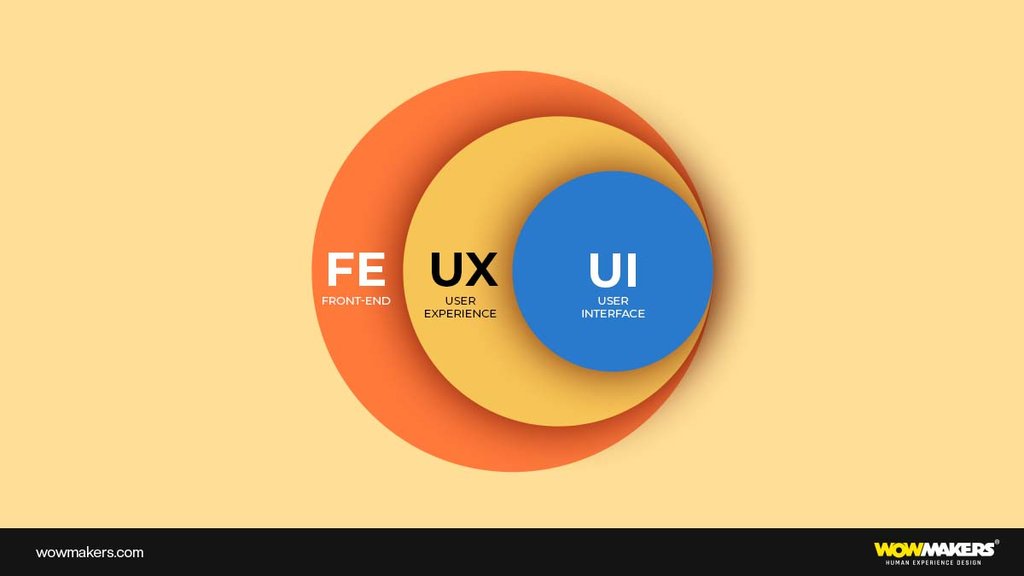
UI and UX may be used in the same conversation but refer to distinct concepts. UI stands for “user interface” and pertains to the visual elements of a product or website. It includes the layout, color scheme, typography, and overall look.
Front-end Development in Website Development
Front End Development is crucial to website development, referring to building a user interface. This entails designing and creating the visible features that users interact with, such as buttons, images, text, and other graphical elements.
A Front End Developer must have a strong understanding of various programming languages, including HTML, CSS, and JavaScript, as well as multiple design tools and frameworks like React, Angular, and Vue.
The primary aim of Front End Development is to create a visually appealing, responsive, and user-friendly website that provides a smooth and engaging user experience.
This requires a deep understanding of UI/UX design principles and translating design concepts into functional code.
A successful Front End Developer must have a keen eye for detail, be proficient in coding languages, and keep up-to-date with the latest design trends and technologies.
With the growing demand for high-quality web experiences, Front End Development is an essential aspect of website development that should not be overlooked.
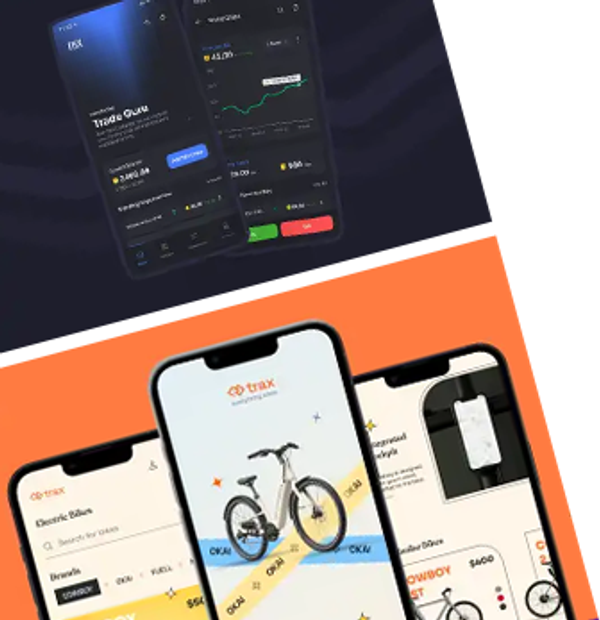
Discover Our Impressive Portfolio: See Our Best Work Yet
Check Our Portfolio
The Difference in Skills Between Front-End Developers and UI/UX Designers
| Skills | Front End Developer | UI/UX Designer |
|---|---|---|
| Coding Languages | Proficient in HTML, CSS, JavaScript, and other front-end frameworks | Familiar with HTML, CSS, JavaScript, and other front-end frameworks |
| Web Development Tools | Experience with development tools like Git, Sublime Text, and Visual Studio Code | Familiar with development tools like Adobe Creative Suite, Sketch, and Figma |
| Design Skills | Basic design skills, able to create visually appealing layouts and graphics | Advanced design skills, including the ability to create wireframes, mockups, and prototypes |
| User Research | Familiarity with user research methodologies | Expertise in user research methodologies |
| User Testing | Knowledge of user testing methodologies and tools | Experience in conducting user testing and interpreting results |
| Interaction Design | Familiarity with interaction design principles | Expertise in creating user-friendly interactions and animations |
| Accessibility | Understanding of accessibility principles and techniques | Expertise in creating accessible designs and ensuring compliance with accessibility standards |
| Collaboration | Ability to collaborate with designers and other developers | Ability to collaborate with stakeholders, product managers, and developers |
| Problem-Solving | Able to solve technical problems related to front-end development | Able to solve complex design problems and create innovative solutions |
Differences in Education and Training Required for Front-End Developers and UI/UX Designers
Front-end development and UI/UX design are two distinct but closely related fields in the digital industry. The roles of a front-end developer and a UI/UX designer may sometimes overlap, but they require different skill sets and educational backgrounds. Here are the education and training requirements for each profession:
Front End Developer
A front-end developer primarily focuses on designing and coding the visual components of a website or application. They use HTML, CSS, and JavaScript technologies to create user interfaces that are sleek, responsive, and user-friendly.
The qualifications for a front-end developer typically include the following:
- Formal education in computer science, software engineering, or a related field is preferred. However, some front-end developers may have acquired their skills through self-learning, apprenticeships, or boot camps.
- Strong HTML, CSS, and JavaScript skills are essential, and familiarity with frameworks and libraries such as React, Angular, and Vue.js is an added advantage.
- Knowledge of software development methodologies and tools such as Git, Agile, and JIRA is often required.
UI/UX Designer
A UI/UX designer primarily focuses on designing a website or application’s user experience and interface. They are responsible for creating wireframes, prototypes, and design assets that guide the user through a product’s functionality. The qualifications for a UI/UX designer typically include the following:
- Formal education in graphic design, web design, or a related field is preferred. However, boot camps and online courses have emerged to facilitate entry into the area.
- Strong proficiency in design tools such as Figma, Sketch, and Framer is necessary, along with familiarity with Adobe Creative Cloud apps like Photoshop and Illustrator.
- Understanding user-centered design principles, user research, and usability testing methodologies is crucial.
- Knowledge of web design best practices, HTML, and CSS is often beneficial but not always necessary for a UI/UX designer.
Competences, Techniques, And Devices
Below are the core techniques, competencies, and devices required for front-end developers:
- Front-End Developer: For front-end developers, it is essential to have technical proficiency. It is to accurately create a website or application that matches the design provided by a UI/UX Designer. Having these technical skills is more important than understanding the client’s perspective.
- Front-end developers must possess a comprehensive knowledge of HTML, CSS, and JavaScript. They are familiar with various JavaScript frameworks and have experience creating responsive designs that can be adapted to fit different screen sizes.
- UI/UX Designer: The interface’s visual design uses graphic design applications such as Sketch, Figma, or Adobe D.
- Being familiar with Adobe Creative Cloud programs, such as Photoshop and Illustrator, is beneficial. Additionally, designers use tools such as Invision, Axure, and UX to create wireframes and prototypes.
UI/UX designers must dedicate much time to communicating with users and observing their behavior. It offers to understand their needs and desires and analyzes how they interact with the product and how this interaction can be improved.
User research is essential to successful UI/UX design. It can provide invaluable insights into how the product can be optimized for maximum user satisfaction.
Salary Difference Between UI/UX Designer and Front-end Developer
UI/UX designer
According to Indeed, the average UI/UX designer's salary in India is around 6.5 to 11 LPA as of 2026, depending on whether the role leans UI or UX, and senior designers at top companies can earn well above that. Figures vary by source and city, so treat these as ranges rather than exact numbers.
In the US, the average UI/UX designer salary is around $114,000 per year as of 2026 according to Indeed, with a typical range from roughly $68,000 at the entry end to $190,000-plus for senior and specialized roles.
Front-end Developer
Based on data from Indeed, the average front-end developer salary in India is around 6.8 LPA as of 2026, with lead and senior front-end roles at top companies reaching 13 LPA and higher. Pay varies a lot by city and company, so these are best read as ranges.
In the USA, Indeed puts the average front-end developer salary at around $124,000 per year as of 2026, with reported figures ranging from about $72,000 at the lower end up to $215,000 for the most experienced developers.
How AI Is Reshaping Both Roles in 2026
If you are weighing these two paths in 2026, AI has not erased the line between UI/UX designers and front-end developers, but it has redrawn it, and that is worth understanding before you choose.
On the development side, AI coding tools have changed the day-to-day. GitHub Copilot and Cursor autocomplete and refactor inline, v0, Lovable, and Bolt generate working front-end components from a prompt, and Figma Make turns a design into a coded starting point. Scaffolding that used to eat an afternoon now takes minutes, so front-end developers spend more time on architecture, accessibility, performance, and how the interface connects to the product. Generating code is no longer the hard part. Deciding what is worth building, and judging whether the output is good, is.
Design work is moving the same way. AI helps synthesize research notes into themes, generates first-pass mockups and copy variations to react to, and keeps design systems consistent as they scale. None of that replaces the designer's call on what the product should feel like in the first session. It clears the busywork so more attention lands on the problem itself: who this is for and what they are actually trying to do.
One result is a role in the middle. The hybrid "design engineer" or "UX engineer" works across both worlds, designing in Figma and shipping production front-end code, and AI tooling makes that overlap far more practical than it used to be. The clean wall between the two jobs is getting more porous, which is a real opportunity if you enjoy living on both sides of it.
Here is the balanced read. AI raises the floor for both roles, making a beginner more productive and a strong practitioner faster. That shifts the value of both jobs toward judgment, taste, and framing the right problem rather than raw execution, and both roles stay genuinely valuable. The way we see it at WowMakers, AI amplifies the craft and human judgment leads. So the real question is less about which role survives AI and more about which kind of thinking you want to spend your days doing.
So Which One Should You Choose? UI/UX Designer or a Front-end Developer?
Do you need to decide between a user interface/user experience designer and a front-end developer for your next project? Both are essential to the completion of your project, but the choice must be made based on your requirements.
A UI/UX designer is someone you need if you want your interface to look good and function well. They are experts in making good designs while still being practical and easy to use.
They will assist you in making your project stand out from the crowd in terms of aesthetics and functionality.
However, a front-end developer should be your first option if you want to concentrate on your project’s technical and functional components.
Using markup languages like hypertext markup language (HTML) and cascading style sheets (CSS), and scripting languages like Java, they construct websites and applications with uniform designs that run smoothly.
They know the ins and outs of development, so they can give you great advice on how to speed up your site and make it run more smoothly.
The final decision between a front-end developer and a UI/UX designer should be based on the project’s requirements.
You should hire a user interface/user experience designer to increase user participation. A front-end developer is the best option if you want to put more emphasis on the usability and performance of your website or app.
Regardless of your choice, good communication between the two positions is essential for a streamlined process and a satisfying conclusion to the project.
Final Word
In summary, UI/UX designers create a user-friendly and visually pleasing interface. Front-end developers use these designs to create a functioning website or app. These roles are highly sought after and offer a great career opportunity.
By taking the proper training, you can develop your expertise. It is to be a successful UI/UX or front-end developer and significantly impact businesses’ digital presence globally.
If you’re unsure about the distinction between a front-end developer and a UX designer or want to learn more, you can find a front-end development course online. These classes offer many career opportunities and can help you get started quickly.
FAQs
Is Front End UI UX? / Vice Versa?
Front End, UI, and UX are often used interchangeably, but they refer to different aspects of web development. The front end is responsible for the user-facing part of a website or application.
UI refers to the visual design and layout of the Front End components. UX, on the other hand, focuses on the overall user experience and how the parts function together to meet the user’s needs.
While Front End development may incorporate UI and UX principles, they differ. A well-designed UI can enhance the user experience, but the design will be ineffective without a solid UX foundation.
Therefore, it is vital to understand the distinctions between these terms and how they contribute to overall web development.
Do I need to learn UI UX design as a front-end developer? And vice versa?
As a front-end developer, understanding the principles of UI UX design is crucial in creating a seamless user experience.
While the roles of a UI UX designer and a front-end developer may differ, basic knowledge of both fields can significantly enhance your skillset and make you more valuable to potential employers.
UI (user interface) design focuses on the visual elements of an application or website, such as layout, color, and typography.
On the other hand, UX (user experience) design deals with the product’s overall usability and functionality, including user research, information architecture, and interaction design.
Knowing how to create a visually appealing and easy-to-use interface can significantly impact user engagement and, ultimately, the success of a product.
Understanding UX design principles can help you create more efficient and intuitive interfaces that meet user needs and goals.
In short, learning UI UX design as a front-end developer can widen your knowledge base and improve your ability to deliver high-quality products.
Similarly, understanding front-end development as a UI UX designer can help you better communicate design ideas and collaborate with developers to bring these ideas to life.
By expanding your skillset in UI UX design and front-end development, you can become a more efficient and effective team member in the web development industry.
Can I do UI UX without coding?
Yes, you can do some UX design without coding. User experience designers typically focus on the overall user journey and experience when interacting with a product or service. This involves analyzing user behavior and creating strategies that optimize user engagement while meeting business goals.
However, it’s becoming increasingly common for UX designers to be able to write HTML/CSS/JavaScript and even develop full applications, as many companies are looking to create automated, data-driven experiences. In this case, coding skills become essential for a UX designer.
Regardless of your technical ability, there are plenty of ways to get involved with UI UX design without coding. You can collaborate with front-end developers on user interface components and visual design, create prototypes that capture user behavior patterns, conduct user research and focus group studies, or write copy to ensure clear and concise content.
Can You be both a UI/UX designer and a front-end developer?
Yes, you can, but it’s essential to understand that UI/UX design and front-end development are very different disciplines. While they share common goals, such as creating engaging user experiences and building visually pleasing products, the approaches used to reach these goals vary greatly.
Is UI UX a front-end or a back-end service?
UI/UX design is considered a front-end service because it focuses on the user’s needs, their interactions with the product, and how to make those experiences as intuitive and enjoyable as possible. It’s also more closely related to visual design than back-end development, which focuses on the functionality behind the scenes. UI/UX designers are responsible for creating wireframes, mockups, and prototypes that are then used to guide the development process.
Will AI replace UI/UX designers or front-end developers?
Short answer: not in the way the headlines suggest, but both roles are changing. AI tools are very good at the repetitive parts, generating boilerplate code, producing first-draft layouts, summarizing research, and that work is genuinely being automated. What they are not good at is deciding what to build, judging whether a result is actually good, understanding a real person's needs, and owning the trade-offs that make an interface work. Those calls still need a human. The honest picture for 2026 is that AI raises the baseline and shifts both roles toward judgment, taste, and problem-framing rather than pure execution. Designers and developers who treat AI as an amplifier of their craft, rather than something to compete with, are the ones who come out ahead. If you are switching careers, that is good news: the fundamentals you learn still matter, and the tools simply let you do more with them.