Ask a founder who owns the brand and you'll often hear "marketing". Ask who owns UX and it's "product". In practice, that split never holds for long. Once you see how UX and branding feed each other, it gets easier to build products people like using and brands they remember.
In short: branding is the promise a company makes, and user experience (UX) is whether the product keeps that promise. Good UX makes a brand feel easy, familiar and trustworthy, which turns first visits into habits and habits into loyalty. Poor UX breaks the promise, whatever the logo and the ads say.
Amazon, Apple, Netflix, Spotify. You already know how each of them feels to use, and that feeling comes straight from their brand principles. It's a big part of why they got so large.
Below: what branding and user experience mean, how they shape each other, the roles UX plays in branding, and tips for building good UX through your brand.
What is branding?
Branding is how a company sets itself apart from competitors and leaves enough of an impression that customers pick it over the others.
A brand also earns trust. When something feels familiar, people feel safer buying from it.
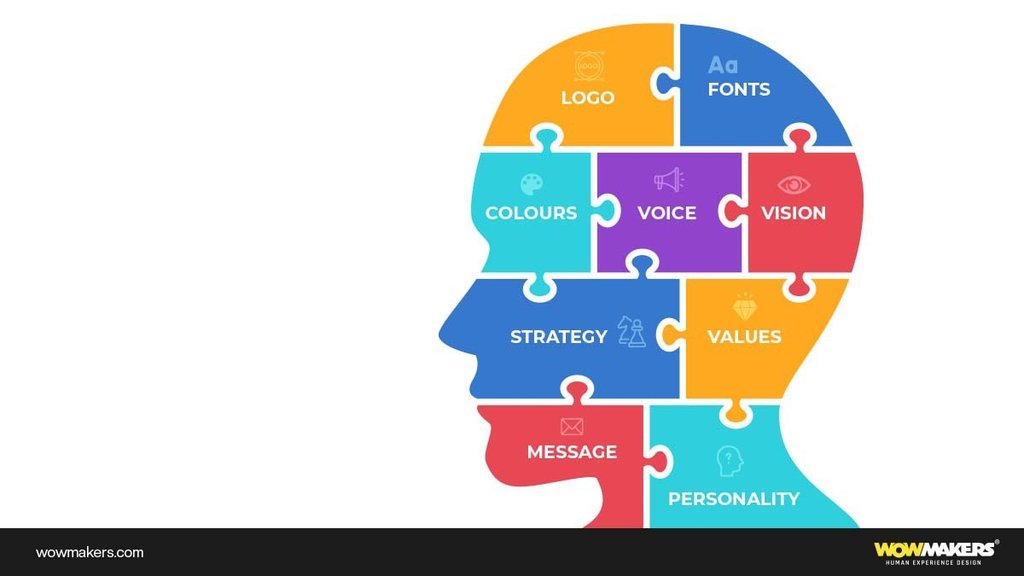
A brand has lots of parts. The logo, the colors, the typography, and more. Then there's the stuff you can't see: how good your customer service is, how you handle your reputation, which social causes you back. Sitting on top of all of it is the name. The name is the one piece that carries the whole brand.
What is user experience (UX)?
User experience (UX) is how users interact with websites or apps when they use your product or service online. It covers everything from scrolling through content and finding a menu item to how the screen looks.
Good UX starts with knowing how people think and feel when they land on your site. Are they rushed? Confused? Looking for one number? You design around the answer. The actual work is layout, content structure, navigation and usability.
What are the 7 factors of UX? (Morville's honeycomb)
Peter Morville's User Experience Honeycomb is a diagram of seven qualities that user experience designers should aim for. Get all seven right and the experience gets better.
Usability
Usability comes first. Can people use the thing without thinking about it? Check how easy the interface and site are to get around, whether the instructions make sense on first read, and whether a button looks the same on every screen. The product has to be useful. It should look good too.
Findability
Findability is how fast people find what they came for, on a site or inside a product. If someone needs your pricing and it's buried three menus deep, that's a findability problem. Fix it with clear page names, content grouped by purpose and relevance, a search box if the product needs one, and labels and navigation that make sense everywhere.
Accessibility
Accessibility asks whether people with disabilities can use the product. Font size, audio, keyboard access, color contrast, translations for audiences in other countries. Look for anything that locks someone out of the product or service and remove it. Everyone should get a fair shot at using what you've built.
Desirability
Desirability is simple. Do people want it? This is where looks earn their keep: the images, the color scheme, the brand identity. When those land, the product feels like it was made for the people it's aimed at.
Credibility
Credibility is whether people trust your site or brand enough to keep using it, or to pay you. Verified reviews and ratings help, as do trust marks from third parties and whatever security seals matter in your sector. And put your contact details on every page, where people can actually see them. A missing phone number makes people nervous.
Value
Value is two questions. Does the product meet what customers need and expect? And do they walk away feeling they got their money's worth? Discounts, special offers, free trials, free shipping, loyalty programs and customer support all feed into that. The designer's job is to add value wherever possible without wrecking profitability.
Protectability
Last, protectability: keeping people's data private and secure. Data breaches and cybercrime happen everywhere now, so this one gets more important every year. The basics are encrypted passwords, clear terms and conditions and privacy policies on every page (e-commerce sites especially), and two-factor authentication. It isn't glamorous work, but it keeps customers safe online.
How do UX and branding affect each other?
Both branding and user experience want the same outcome, a good experience for the user. If you want your brand to stand out, though, they can't run as separate projects.
Good UX shapes how people see your brand. When a product is easy to use, people notice what makes your company different long before an ad tells them. They also come back. Within weeks, using the product becomes a habit, and that habit is what loyalty looks like in practice.
Branding pulls in the other direction. It gives people something concrete to connect with, so they feel part of the product instead of one more face in a crowd of online shoppers.
What is the difference between CX and UX?
Customer experience (CX) covers every contact a person has with a company, from an ad to a support call. User experience (UX) covers one part of it: using the product, website or app. The table compares the two.
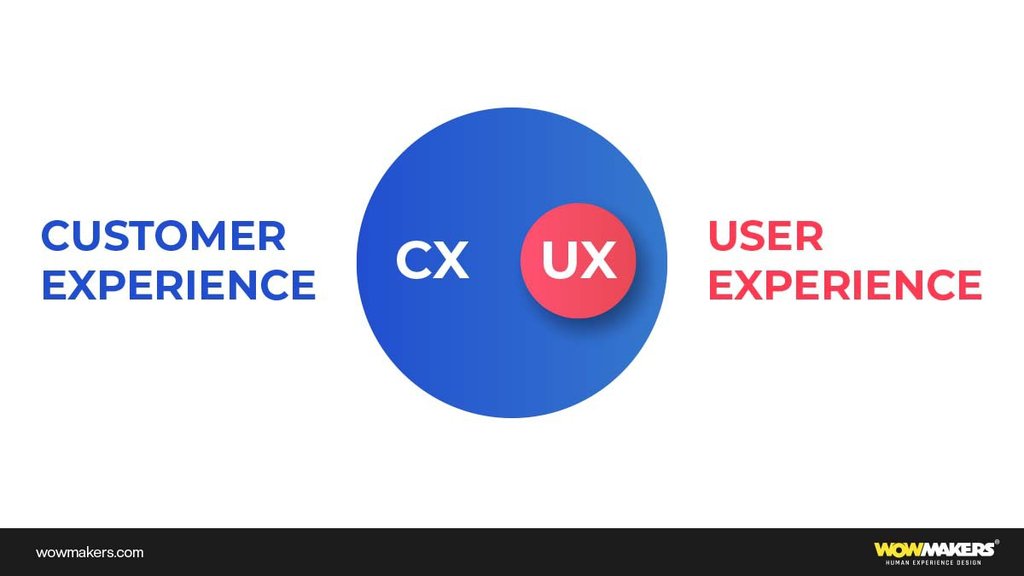
| Customer Experience | User Experience |
|---|---|
| Refers to the overall experience a customer has with a company or brand, including pre-purchase research, the purchase process, and post-purchase follow-up | Refers to the specific knowledge a user has when interacting with a product or service, typically from a digital perspective, such as a website or app |
| Looks at the holistic journey and touchpoints of the customer with the company | Looks at the specific interactions a user has with the product or service |
| Focuses on the customer’s emotions, needs, expectations, and the satisfaction level | Focuses on the usability, accessibility, and enjoyment provided by the product or service |
| measured by Net Promoter Score, customer satisfaction surveys, or other customer feedback metrics | user research, testing, and metrics like user satisfaction, completion rate, error rate, and task success are used to measure how well something works. |
User Experience vs. Brand Experience
UX and branding can't really be pulled apart. Branding builds a name and a reputation for a product or service. UX design deals with what users do, and how they react, while they use it. Same product, two angles.
When the two line up, people remember the encounter. The aim is to make users feel they belong to a community.
Get UX and branding right and people start to believe in the product. They stick around. That means more leads and more closed sales. Get them wrong and customers still form an opinion of your business and what it sells, just not the one you wanted.
Four Critical Roles User Experience Plays in Branding
It Helps Define Customer Needs
UX research tells you what customers actually need. You can't tailor an experience to them without it.
It Helps Create Brand Loyalty
Every successful business depends on repeat customers. UX helps by making the experience simple and easy, so people keep coming back.
It Strengthens the Company’s Identity
A strong brand identity is what makes a company stand out in its market. UX can sharpen it: put the features potential customers care about where they'll see them first.
It Sets Expectations for Service Quality
People trust companies that hold a high bar for service. Good UX helps you meet it, because people understand how the product or service works before they buy. Nobody gets surprised after paying.
Brands where UX and branding work as one
These companies show how much good UX does for a brand.
Asana
Asana is a web-based tool for managing projects with a team. Its UI stays simple and convenient, which is why teams of all sizes use it.
Amazon
Amazon is built for speed. Product details, reviews and recommendations sit right there on the page, and checkout is quick and secure.
Canva
Canva is a free online app for making visuals. Pick a premade template, change it, drop in something from its library of high-quality stock images. Drag and drop does the rest. Beginners and experienced designers can both use it, which is why people know it as the easy design tool.
Duolingo
Duolingo made language learning a game. Bright images and interactive exercises keep learners motivated, which made it a leading language-learning brand.
Slack
Slack is a popular, reliable tool for team chat and collaboration. Its clear design helped it spread through workplaces.
Spotify
Spotify, the well-known music streaming app, is just nice to use. You rarely get lost in it, and new music is easy to find. So are the songs you love.
What these brands share: a strong user experience, strong branding, and a name people remember. Using them sticks with you.
Here’s How to Build a Good User Experience Through Branding
Building a compelling user experience through your brand is hard. These steps help:
- Match the design to your brand message. The design elements in your website or app should fit your overall brand message, so users know what to expect when they visit.
- Use visuals with care. Logos, images, fonts and colors are how people recognise you, so use them deliberately across your website or app.
- Stay consistent across platforms. Keep the same look and feel on your website, apps, emails and in-store. Users then feel at home whether they deal with you online or offline, and they'll be more comfortable with you than with competitors whose branding is all over the place.
- Build storytelling into the design. Stories are one of the strongest ways to raise customer engagement, because people connect with them emotionally as well as rationally. Bring real stories into your blogs, emails and social media posts and they'll do a lot for a brand you're building through user experience.
- Set up an easy way to talk to users and collect feedback. Users and developers solve problems faster, and you learn how people actually use the product or website. With a direct line between the two, both sides spot problems early and fix them fast. The feedback also tells you which features to improve or add. Users who feel heard are happier users.
- Track and monitor. Put real effort into every facet of UX and branding, inside and outside the company. That means watching metrics and client feedback, looking for anything that could be better or any chance to do well, and acting on it when needed.
The bottom line
Want a better brand image? Start with user experience. Meeting customer needs is the minimum. Aim past it, for an experience with no rough edges.
It's a long game. You keep learning what customers expect and keep trying to beat it. UX keeps changing as a field, and more companies have noticed what it does to their bottom line. Invest in function and form together, and you get a product that works well and still feels like your brand.
So treat branding and UX as one job. That's how you keep your core message straight and your look consistent on every platform, with storytelling built into the design instead of bolted on.
WowMakers works on both sides of this: see our branding and UI/UX design services.